 Pin It
 My friend texted me a photo of her kitchen counter scattered with candied orange peel one February morning, asking if I could help her turn it into something special for Valentine's brunch. I'd never made scones before, but something about the combination of tart cranberries and sweet citrus felt like it deserved a chance. Three batches later—and one where I forgot the baking powder entirely—I finally understood why British tea time traditions have survived centuries. These buttery, tender wedges became my answer to her question, and honestly, they've been my answer to a lot of questions since.
The first time I made these for guests, my neighbor walked in mid-bake and the kitchen smelled like a Christmas market had moved into my apartment. She sat at the counter eating a still-warm scone while I was glazing, and by the time she left, she'd already asked for the recipe twice. That moment taught me that food doesn't have to be complicated to feel like a gift.
Ingredients
- All-purpose flour (2 cups): The backbone of tender scones; measure by spooning and leveling rather than scooping straight from the bag, or you'll end up with dense, heavy wedges that feel more like hockey pucks.
- Granulated sugar (1/4 cup): Just enough sweetness to let the fruit shine without making these taste like dessert masquerading as breakfast.
- Baking powder (1 tablespoon): The secret to those precious light, crumbly layers; always check the date on your tin because expired baking powder is the silent killer of scone dreams.
- Fine sea salt (1/2 teaspoon): A tiny pinch that makes the citrus flavors pop and keeps you from tasting pure butter.
- Dried cranberries (1/2 cup): Look for unsweetened varieties if you can find them, or chop the regular ones in half so you don't end up with chewy pockets of pure sugar.
- Candied orange peel (1/3 cup, finely chopped): This is where the magic lives; buy the good stuff because cheap candied peel can taste like perfume, and trust me, that's not the vibe.
- Orange zest (from 1 orange): Zest before you juice, and use a microplane grater to get those delicate flavor oils without any bitter white pith.
- Cold unsalted butter (1/2 cup, cubed): The temperature matters more than you'd think; straight from the fridge is non-negotiable because warm butter turns these into tough little hockey pucks instead of tender wedges.
- Heavy cream (2/3 cup, plus extra for brushing): The cream does double duty as both binder and gloss, creating that signature golden, slightly crispy top.
- Large egg (1): Whisked together with cream to create a rich, silky dough that holds everything together.
- Pure vanilla extract (1 teaspoon): A quiet background note that lets the citrus and cranberry take center stage.
- Powdered sugar (1/2 cup): For the optional glaze; sift it if you have time to avoid grainy sweetness.
- Fresh orange juice (1–2 tablespoons): Freshly squeezed makes a difference; bottled juice tastes a bit flat once it's dried.
Tired of Takeout? 🥡
Get 10 meals you can make faster than delivery arrives. Seriously.
One email. No spam. Unsubscribe anytime.
Instructions
- Get Your Oven Ready:
- Preheat to 400°F and line your baking sheet with parchment paper so your scones don't stick and split on the bottom.
- Mix the Dry Team:
- Whisk together flour, sugar, baking powder, and salt in a large bowl; this aerates the flour and distributes the leavening evenly, which is the quiet foundation of tender scones.
- Add the Cold Butter:
- Cut your cold butter into cubes and rub it into the flour mixture using a pastry cutter or your fingertips until it looks like coarse breadcrumbs; this creates little pockets of butter that steam during baking and give you those delicate layers. Don't let the butter get warm or you'll lose the flaky texture.
- Fold in the Fruit and Zest:
- Stir in the cranberries, candied orange peel, and orange zest gently; the fruit gets distributed throughout without getting crushed, so each bite has pockets of flavor.
- Bring the Wet Ingredients Together:
- In another bowl, whisk the cream, egg, and vanilla until smooth and combined; this mixture is your glue.
- Unite Everything Gently:
- Pour the wet mixture over the dry ingredients and fold everything together with a few gentle strokes until just combined; overmixing is the enemy of tender scones, so resist the urge to keep stirring once you can't see dry flour. The dough should look slightly shaggy and relaxed.
- Shape Your Scones:
- Turn the dough onto a lightly floured surface and pat it into a 1-inch-thick disc using your hands; don't roll or press hard. Cut it into eight wedges like you're cutting a pizza pie.
- Set Them Up for Success:
- Arrange the wedges on your prepared baking sheet with a little space between each one so heat can circulate and create an even golden exterior. Brush the tops gently with extra cream for that beautiful, burnished finish.
- Bake Until Golden:
- Slide them into the oven for 16 to 18 minutes until the tops turn a warm golden brown and your kitchen smells like a British bakery; they'll feel slightly firm on top but still give a little when you press them.
- Cool and Optional Glaze:
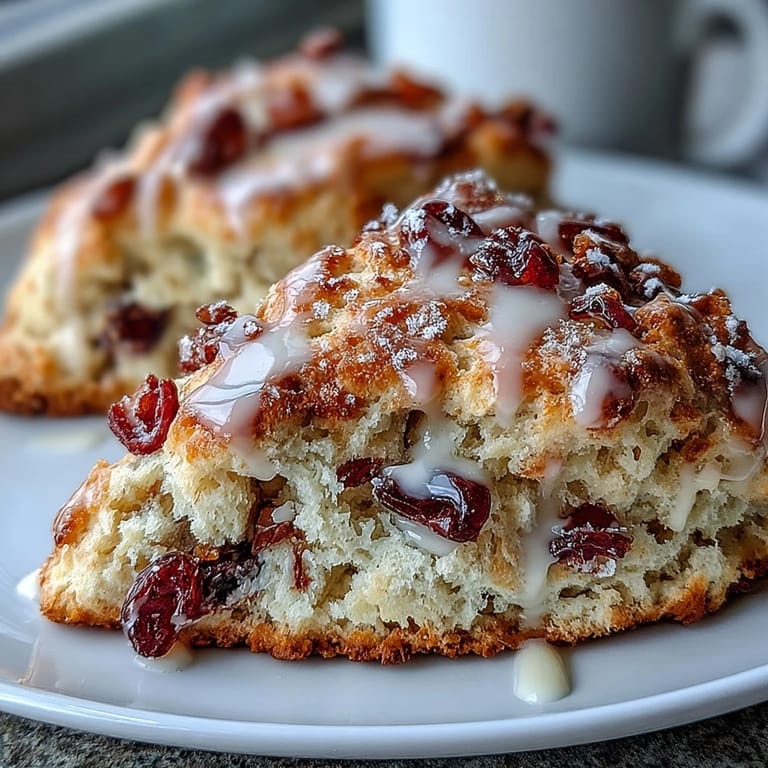
- Transfer to a cooling rack and let them sit for a few minutes. If you want to glaze them, whisk the powdered sugar and fresh orange juice until smooth and drizzle over the cooled scones for extra sweetness and shine.
 Pin It
 Last winter, I brought these to my book club and someone actually paused mid-sentence to ask if the candied orange and cranberries were a real flavor combination or if I'd made it up. The fact that she questioned whether it was real but then ate three more wedges anyway somehow felt like the biggest compliment I could receive. That's when I realized these scones had become less about technique and more about creating moments where people stopped and noticed what they were eating.
The Science of Tender Scones
The magic in these scones comes down to three things working in harmony: cold butter creates steam pockets that turn into layers, minimal mixing prevents gluten from overdeveloping and turning the crumb tough, and the right ratio of wet to dry creates a dough that's moist enough to be tender but structured enough to hold its shape. I learned this the hard way after my second batch came out flat and dense because I'd warmed the butter while I was chatting on the phone. Now I treat cold butter like it's the VIP of this recipe, because honestly, it is.
Why Candied Orange and Cranberries Work Together
Cranberries are naturally tart and a little bit stern, which is why they pair so beautifully with the sweet, almost floral brightness of candied orange peel. The tartness cuts through the richness of the butter and cream, while the candied orange adds a sophisticated sweetness that feels fancy without being cloying. I spent one afternoon trying different flavor combinations—dried cherries, golden raisins, fresh lemon zest—and kept coming back to this pairing because it feels balanced and complete, like both flavors are having a conversation instead of competing.
Make Them Your Own
The beauty of this base recipe is that it's flexible enough to welcome your own ideas without falling apart. I've made these with white chocolate dipped tops, swapped in golden raisins for a mellower sweetness, and even added a tiny pinch of cardamom one time when I was feeling adventurous. The structure stays solid as long as you respect the cold butter and don't overmix, which means you've got room to play and experiment.
- Dip the cooled scone tops in melted white chocolate for extra richness and a little visual drama.
- Substitute dried cherries, golden raisins, or even dried blueberries if you want to change up the flavor while keeping the same structure.
- These freeze beautifully for up to three weeks, so you can make a double batch and reheat them briefly in a 300°F oven before serving—they taste fresh and warm again.
 Pin It
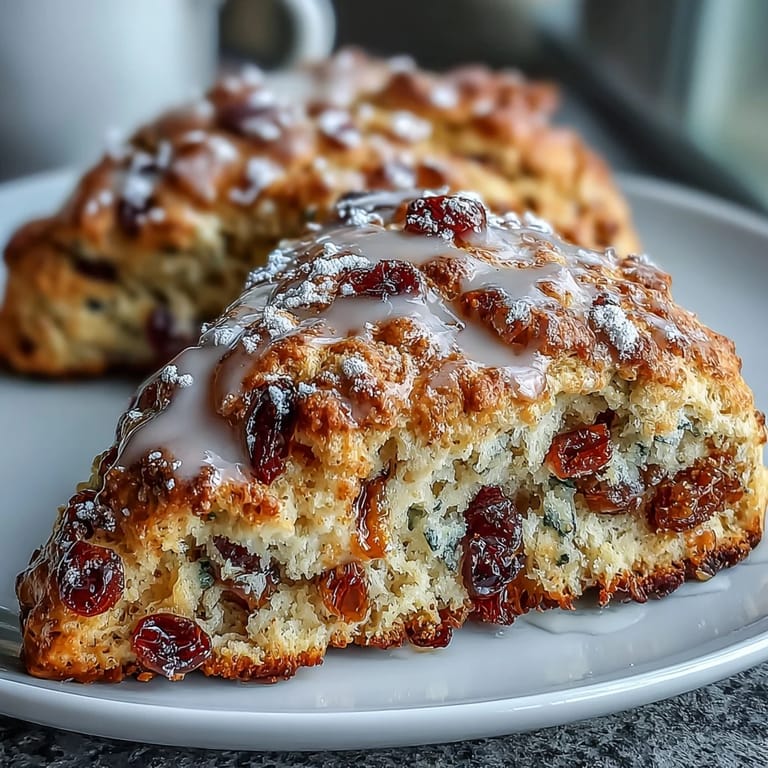
 These scones have become my go-to when I want to feel like I've done something special without the stress of actually doing something complicated. Warm with butter, jam, or clotted cream, they're the kind of thing that turns an ordinary morning into something worth remembering.
Recipe FAQs
- → Can I substitute dried cranberries with other fruits?
Yes, dried cherries or golden raisins can be used as alternatives to cranberries for a different flavor profile.
- → What is the best way to incorporate butter into the dough?
Cut cold butter into cubes and rub into the dry ingredients using fingertips or a pastry cutter until the mixture resembles coarse crumbs.
- → How should I store the scones to keep them fresh?
Store scones in an airtight container at room temperature for up to two days, or freeze and reheat briefly before serving.
- → Is there an optional glaze to enhance flavor?
Yes, whisk powdered sugar with fresh orange juice to create a smooth glaze that can be drizzled over cooled scones.
- → What texture can I expect from these scones?
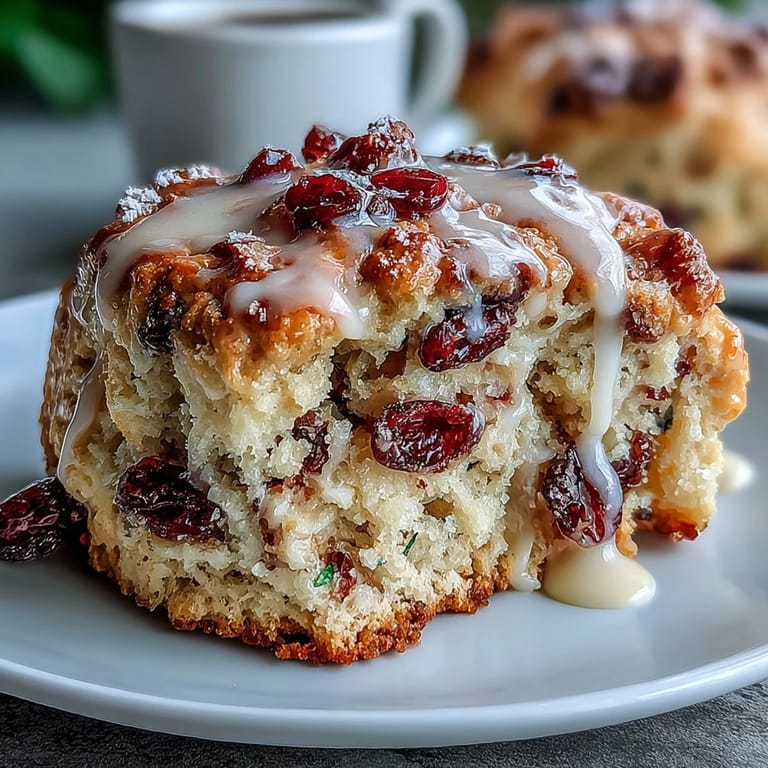
The scones are tender and buttery with a golden crust, studded generously with citrusy candied orange and tart cranberry pieces.