 Pin It
 My neighbor casually mentioned she foraged dandelion greens from her yard one spring morning, and I remember thinking she was wild until I tasted her pesto. That bright, slightly peppery bite paired with toasted pine nuts made me realize I'd been sleeping on this humble green my whole life. Now I make this whenever the season turns and those familiar jagged leaves start poking through the soil, and it's become my favorite reason to look at my yard differently.
I brought a jar of this to a potluck once and watched someone spread it on crackers, pause mid-chew, and ask what it was with genuine suspicion. When I explained, they laughed and went back for more, and I realized pesto doesn't always need basil to be magic. That moment shifted how I think about traditional recipes and what happens when you trust your instincts with unusual ingredients.
Ingredients
- Fresh dandelion greens: Two cups loosely packed gives you that peppery edge that makes this pesto taste alive; look for younger, smaller leaves if you want less bitterness, or use the whole plant for full flavor.
- Fresh basil leaves: Half a cup is optional but worth including if you want to soften the dandelion's attitude without losing its character.
- Pine nuts: A third cup toasted yourself tastes incomparably better than pre-toasted versions, and you'll smell when they hit that golden moment.
- Freshly grated Parmesan cheese: Half a cup makes this creamy and salty; use a box grater because pre-grated stuff has additives that muddy the flavor.
- Garlic cloves: Two large cloves are enough to announce themselves without drowning out the dandelion's story.
- Extra-virgin olive oil: Half a cup matters here because you'll taste every bit of its quality, so don't grab the cheap bottle.
- Lemon juice: From half a lemon, this brightens everything and keeps the pesto from feeling heavy.
- Kosher salt and black pepper: Start with half a teaspoon salt and a quarter teaspoon pepper, but trust your palate to finish the job.
Tired of Takeout? 🥡
Get 10 meals you can make faster than delivery arrives. Seriously.
One email. No spam. Unsubscribe anytime.
Instructions
- Toast your pine nuts first:
- Heat them in a dry skillet over medium heat for two to three minutes, stirring constantly so they don't burn. You'll know they're ready when the kitchen smells like a toasted nut dream and they've turned light golden brown.
- Blend the dry ingredients:
- Combine dandelion greens, basil if you're using it, garlic, cooled pine nuts, and Parmesan in your food processor and pulse until everything is finely chopped but still has a little texture.
- Stream in the liquid:
- With the processor running, slowly pour in olive oil and lemon juice, watching the mixture transform from choppy to silky. Stop to scrape down the sides when needed so nothing gets stuck and forgotten.
- Season and adjust:
- Pulse in salt and pepper, taste it, and decide if you need more of anything. Sometimes an extra squeeze of lemon or pinch of salt makes the whole thing click into place.
- Store or serve immediately:
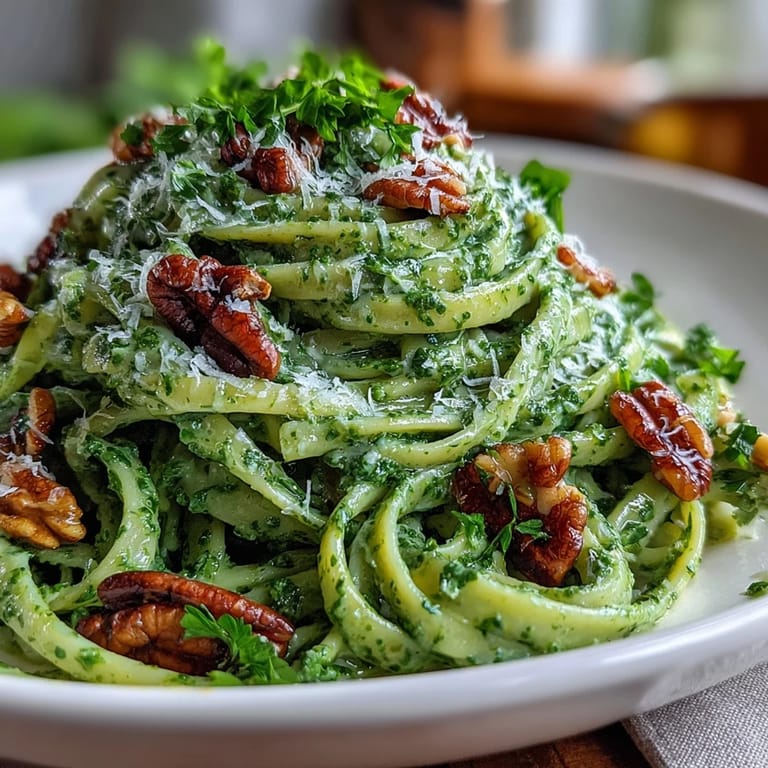
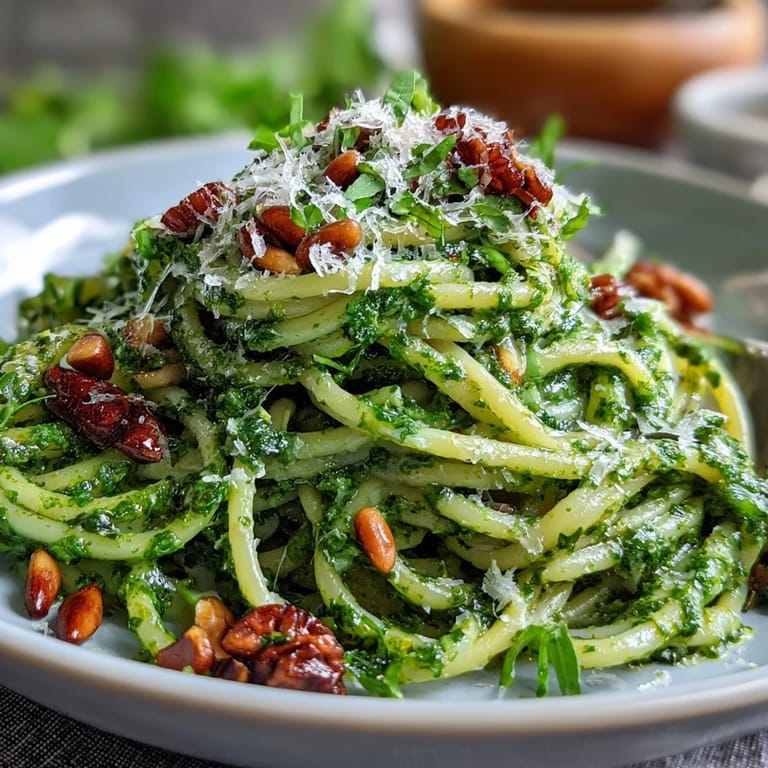
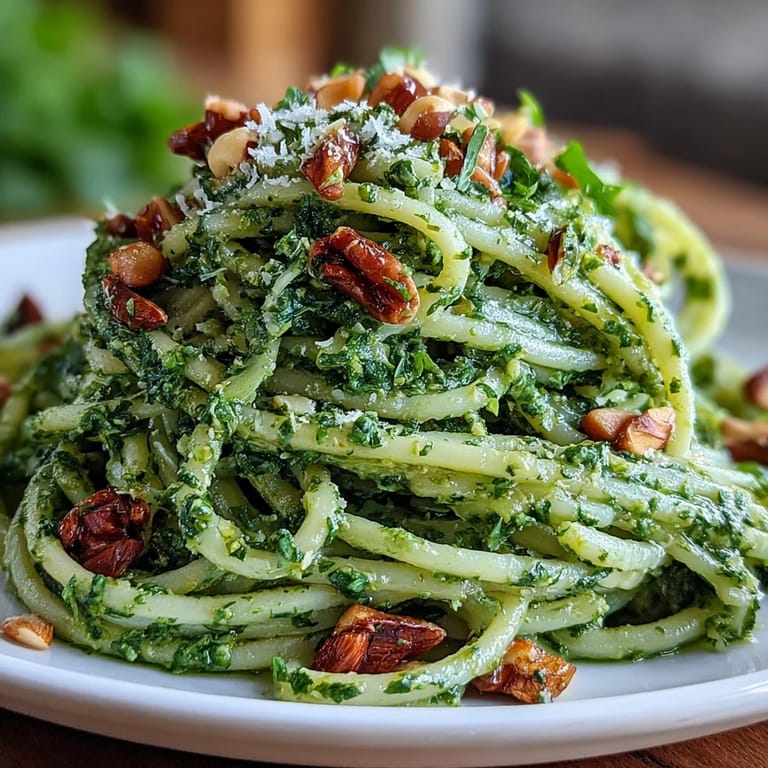
- Transfer to a jar if you're saving it, or spoon it onto warm pasta right now while it's at peak brightness. Covered in the refrigerator, this keeps beautifully for a week.
 Pin It
 My partner once spread this on toast at breakfast without telling me what was in it, and when I realized it was dandelion, something shifted about how I see everyday ingredients. That small moment of surprise turned into curiosity, which turned into making this every spring now, and somehow a wild green became tradition.
When to Use Dandelion Greens
Spring and early summer are prime time for foraged or farmers market dandelion greens, when they're at their most tender and the flavor is balanced between peppery and palatable. You can also grow them in a pot if your yard doesn't offer wild ones, though there's something satisfying about using what nature offers freely. If you can't find fresh dandelion greens, young mustard greens or arugula make solid substitutes, though the flavor will shift slightly toward something more familiar.
Beyond Pasta
I've learned that pesto is so much more versatile than we give it credit for. Spread it thick on toast under a fried egg, swirl it into soups just before serving, dollop it on roasted potatoes or vegetables, or thin it with a little more olive oil and use it as a dipping sauce for bread.
Customizing Your Pesto
The beauty of making pesto at home is that you're in complete control of every layer of flavor. Some mornings I lean into the bitterness and skip the basil entirely; other times I add extra basil to make it gentler for people less adventurous. If you're cooking for someone dairy-free, nutritional yeast gives you that savory umami punch Parmesan provides, or walnuts and almonds work beautifully if pine nuts aren't in your budget.
- For a smokier version, try swapping half the pine nuts for toasted walnuts.
- If you love garlic, there's no rule stopping you from using three cloves instead of two.
- A tablespoon of fresh mint or parsley can add green brightness if your dandelion batch leans bitter.
 Pin It
 Making pesto from dandelion greens feels like a small rebellion against thinking there's only one way to make something delicious. Once you taste it, you'll understand why my neighbor was so excited to share.
Recipe FAQs
- → Can I substitute pine nuts in this dish?
Yes, walnuts or almonds work well as alternatives, providing a different but equally rich texture and flavor.
- → How can I reduce the bitterness of the dandelion greens?
Briefly blanching the greens in boiling water, then cooling them, helps mellow their natural bitterness.
- → Is it necessary to use Parmesan cheese?
Parmesan adds a savory depth, but you can omit it or replace with nutritional yeast for a vegan-friendly option.
- → What dishes pair well with this green blend?
This preparation is excellent tossed with pasta, spread on toast, or drizzled over roasted vegetables for added flavor.
- → How long can this mixture be stored?
When refrigerated and covered, it stays fresh for up to one week.