 Pin It
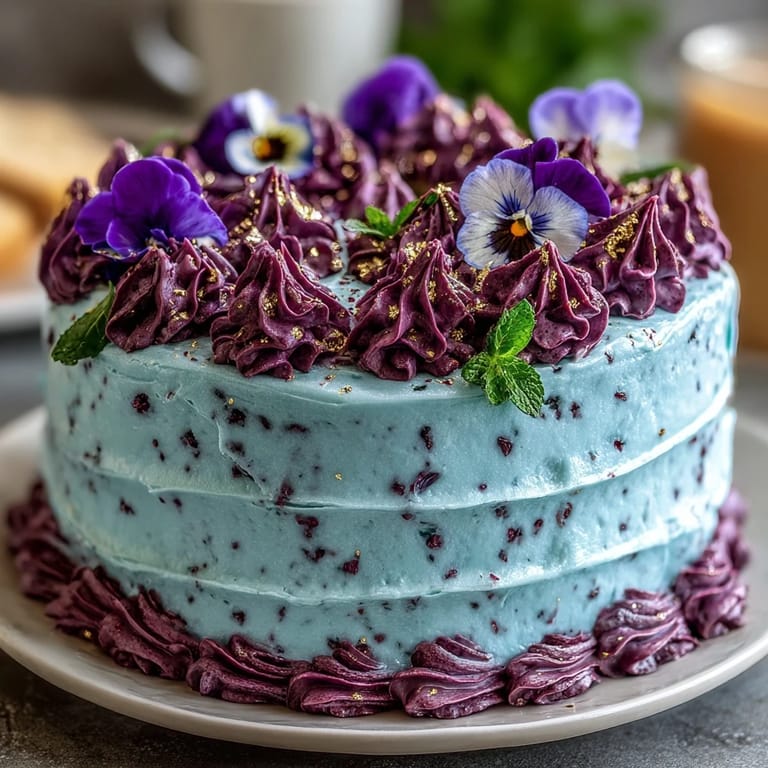
 The moment my friend asked me to bake her graduation cake, I felt that familiar flutter of pressure mixed with excitement. I'd seen those stunning tiered cakes with delicate flowers cascading down the sides, and I knew this was the chance to create something that actually looked as sophisticated as it tasted. What started as nerves transformed into pure joy once I realized that Swiss meringue buttercream and edible flowers weren't intimidating at all, just different tools in the kitchen toolkit. The vanilla sponge gave me a reliable base, and the gold leaf? That became my favorite part to apply, watching the shimmer catch the light. This cake became the centerpiece of her celebration, and honestly, it changed how I think about what's possible in a home kitchen.
I'll never forget the phone call the night before I delivered this cake. My friend was so nervous about her graduation day that she could barely talk about the party, but when I described how the gold would catch the light during photos, her whole mood shifted. That's when I understood this wasn't just dessert, it was confidence on a plate. Watching her face light up when she saw it sitting on the table made every minute of careful decoration worth it.
Ingredients
- All-purpose flour (2 1/2 cups): This is your foundation, and I learned that measuring by weight rather than scooping prevents the dense cake disaster I had years ago.
- Baking powder (2 1/2 tsp) and salt (1/2 tsp): These tiny amounts do massive work to keep your cake tender and balanced.
- Unsalted butter (1 cup for cake, 1 1/2 cups for frosting), room temperature: Cold butter won't cream properly, so pull it out an hour before baking, trust me on this.
- Granulated sugar (2 cups for cake, 1 1/4 cups for frosting): The sweetness level is intentional here, leaving room for those delicate flowers and gold without overwhelming your mouth.
- Large eggs (4 for cake, 5 for buttercream), room temperature: Temperature matters more than you'd think, especially for the meringue stability.
- Vanilla extract (1 tbsp for cake, 2 tsp for frosting): Quality vanilla makes a difference you'll taste, not just in the flavor but in how the cake ages.
- Whole milk (1 cup): This keeps the crumb moist without making it greasy, which is crucial when you're stacking layers.
- Edible gold leaf sheets: These are fragile and magical, so handle them with the soft paintbrush provided in the kit.
- Assorted edible flowers (pansies, violets, roses): Source these from specialty grocers who specifically grow them for consumption without pesticides.
- Food-safe paintbrush: A soft, new brush is essential for applying gold leaf without damaging it.
Tired of Takeout? 🥡
Get 10 meals you can make faster than delivery arrives. Seriously.
One email. No spam. Unsubscribe anytime.
Instructions
- Prepare your pans and preheat:
- Set your oven to 350°F and grease three 8-inch round pans with butter, then line the bottoms with parchment paper. This double protection means your cake won't stick, and you'll actually be able to layer it later.
- Mix your dry ingredients:
- Whisk flour, baking powder, and salt together in a bowl and set it aside, which keeps you from accidentally overmixing later.
- Cream butter and sugar until fluffy:
- Beat them together for about 3 minutes until the mixture turns pale and airy, almost like soft clouds. This step incorporates air that makes your cake tender instead of dense.
- Add eggs and vanilla:
- Drop each egg in one at a time, beating well after each one so it actually incorporates rather than sitting in pools on top. The mixture should look smooth and creamy before you add the vanilla.
- Alternate wet and dry ingredients:
- Start with flour, then milk, then flour again, mixing just until combined each time. Overmixing develops gluten and makes the cake tough, so show restraint here.
- Divide and bake:
- Distribute batter evenly among your three pans, smooth the tops, and bake for 28 to 32 minutes until a toothpick comes out clean. Your kitchen will smell absolutely incredible during this part.
- Cool properly:
- Let cakes rest in pans for 10 minutes, then turn them out onto wire racks to cool completely. This prevents the bottoms from getting sweaty and dense.
- Make Swiss meringue buttercream:
- Combine egg whites and sugar in a heatproof bowl over simmering water, whisking constantly until the mixture hits 160°F and feels smooth, about 5 minutes. This temperature kills any bacteria and dissolves the sugar completely.
- Whip until stiff peaks form:
- Transfer to your stand mixer and beat on high speed for 8 to 10 minutes until the bowl feels cool and peaks stand straight up. If your mixer seems to be making the frosting grainy or broken at this stage, just keep going, it'll come together.
- Add butter gradually:
- Reduce speed to medium and add butter a few cubes at a time, letting each piece incorporate before adding the next. This prevents the frosting from breaking and ensures silky texture.
- Finish with vanilla and salt:
- Mix in vanilla extract and a pinch of salt, which rounds out all the sweetness and makes the frosting taste sophisticated.
- Layer and crumb coat:
- Place your first cake layer on a serving plate, spread a layer of buttercream, repeat with remaining layers, then apply a thin coat all over and chill for 20 minutes. This seals in crumbs so your final coat looks polished.
- Apply final frosting layer:
- Spread a smooth, generous final layer of buttercream over the entire cake, using an offset spatula to get it as even as possible.
- Add gold leaf with intention:
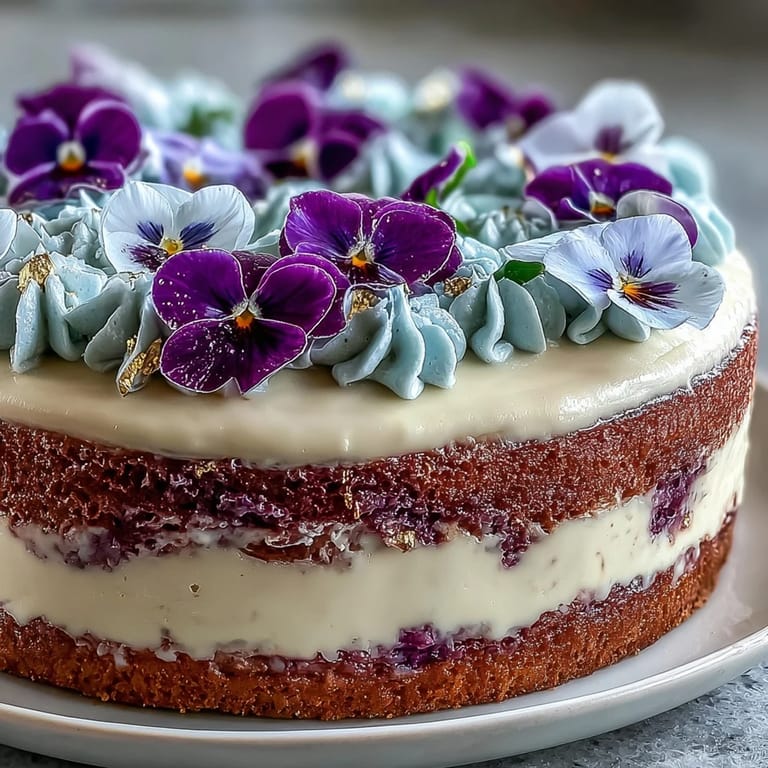
- Use your food-safe paintbrush to gently apply edible gold leaf to sections of the cake, creating patterns that look intentional rather than accidental. The gold catches light beautifully when you apply it to the sides and top.
- Arrange flowers decoratively:
- Place your edible flowers strategically around the cake, perhaps creating a cascading effect or clustered arrangements. Violets and pansies are sturdy enough to stay put, while roses are more delicate.
 Pin It
 The best moment came when my friend's grandmother took a bite and closed her eyes for a second, then looked at me and said, "This is what celebration tastes like." That sentence meant more to me than any technical achievement ever could, because it proved that beautiful and delicious aren't opposites in the kitchen, they're partners.
Why This Cake Matters for Milestones
Graduation cakes sit at an interesting crossroads in baking because they need to feel special enough to mark the occasion but not so complicated that you'll be stressed instead of celebrating. This vanilla sponge with Swiss meringue buttercream hits that balance perfectly, looking like it came from a high-end bakery while actually being manageable in a home kitchen. The edible flowers and gold leaf do the heavy lifting on elegance, so you can focus on nailing the cake itself rather than mastering intricate piping techniques.
The Science Behind Swiss Meringue Buttercream
Unlike American buttercream which is just butter and powdered sugar, Swiss meringue buttercream starts by gently heating egg whites with sugar, which stabilizes the mixture and kills any bacteria concerns. The heat dissolves the sugar completely, so when you whip it, you're creating a stable foam that holds air and becomes impossibly silky once you add butter. This method takes more time and technique, but the result tastes less sweet and more sophisticated, which matters when you're decorating a cake this beautiful.
Decorating Strategies That Actually Work
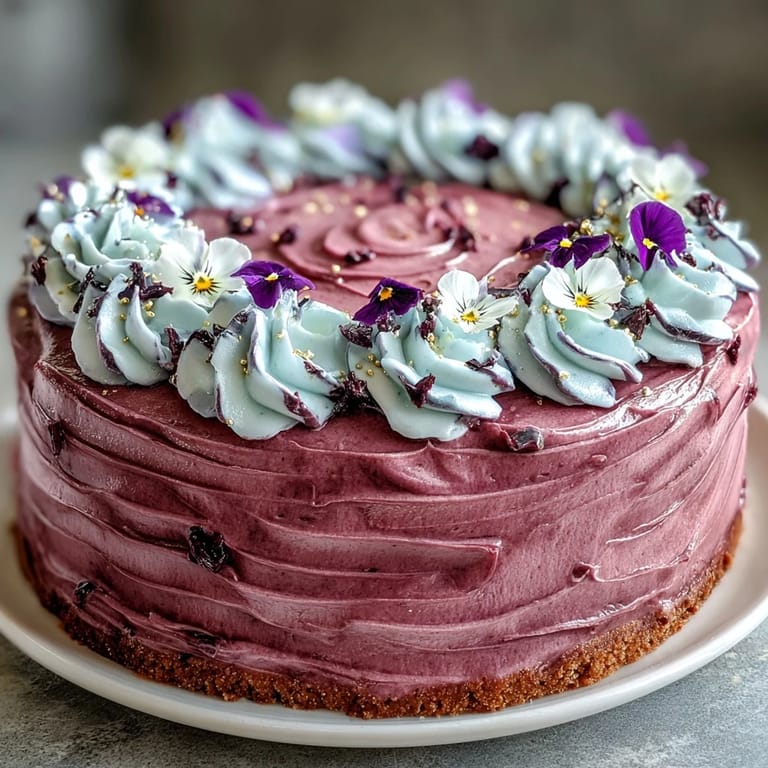
The gold leaf and flowers aren't just for show, they're your shortcut to looking like a professional without spending hours on buttercream piping or carving intricate designs. I learned this the hard way after trying to create elaborate patterns, only to realize that elegant simplicity beats busy decoration every time. A few strategically placed flowers, some shimmering gold leaf, and clean buttercream lines create a look that's timeless and impressive without being fussy.
- Arrange your flowers and plan your gold leaf placement before you start applying them, so you're not second-guessing yourself while holding delicate petals.
- Apply gold leaf to the sides of the cake first, then add flowers to the top, which prevents the flower stems from sliding around on the slippery gold.
- If you have extra edible flowers, place them on the serving platter around the cake base for an even more luxurious presentation that photographs beautifully.
 Pin It
 This cake became more than dessert for my friend, it became proof that her achievement was worth celebrating in style. That's what you're really creating when you make this, a moment she'll remember as clearly as her diploma walk.
Recipe FAQs
- → What kind of flowers are used for decoration?
Edible flowers such as pansies, violets, and roses are used, ensuring they are pesticide-free and safe to consume.
- → How is the Swiss meringue buttercream prepared?
Egg whites and sugar are gently heated over simmering water until warm, then whipped until stiff peaks form before adding butter and vanilla for a smooth texture.
- → Can the cake be customized with different flavors?
Yes, for example, half a cup of flour can be replaced with cocoa powder for a chocolate variant.
- → How should the gold leaf be applied?
Use a food-safe paintbrush to gently place delicate edible gold leaf sheets onto the cake's surface.
- → What tools are essential for making this cake?
Required tools include round cake pans, an electric mixer, mixing bowls, an offset spatula, a food-safe paintbrush, and wire racks for cooling.
- → Is this cake suitable for vegetarians?
Yes, the cake contains no meat products and uses ingredients compatible with a vegetarian diet.