 Pin It
 One Tuesday afternoon, my coworker brought a rainbow bowl to lunch and set it down next to my sad desk sandwich. The colors were so deliberately arranged—ruby tomatoes, golden carrots, deep purple cabbage—that I actually paused mid-bite to watch her drizzle that amber sesame dressing over everything. She caught me staring and laughed, sliding me a forkful. That one taste of ginger and sesame changed how I thought about eating vegetables at my desk. Now I make these bowls constantly, not just because they're nourishing, but because assembling them feels like creating something intentional in an otherwise chaotic week.
I made this for my sister's book club potluck last spring, bringing four of these bowls in glass containers. One of the guests, who'd been stuck in a processed food rut, came back to me a month later saying she'd been making them twice a week because it was the first healthy meal that actually tasted like she was treating herself. That moment reminded me that food doesn't have to feel like sacrifice—sometimes it just needs to be beautiful enough to want.
Ingredients
- Brown rice or quinoa: Brown rice gives you that familiar comfort grain texture, but quinoa adds a nutty flavor and cooks faster if you're short on time—I've learned both work beautifully here, so choose based on your mood that day.
- Cherry tomatoes: Halving them instead of leaving whole means every bite catches some dressing, and they stay sweeter than chopped larger tomatoes.
- Red cabbage: This isn't just for color—its slight crunch stays even if you make the bowl the night before, making it my secret for meal prep that doesn't get soggy.
- Carrots: Shredding them releases their natural sweetness and helps them marry with the dressing better than slices would.
- Yellow bell pepper: The mild sweetness balances the ginger's heat, and I learned the hard way that thin slicing means they don't overpower the other delicate vegetables.
- Broccoli florets: Keep them raw for maximum crunch, or give them thirty seconds of steam if you prefer them tender—but don't overdo it or they'll turn mushy before you even add dressing.
- Avocado: Add this right before serving, not hours ahead, or it'll brown and lose that buttery appeal that makes the whole bowl feel indulgent.
- Chickpeas: Rinsing canned ones removes that metallic taste and gives you protein that's substantial enough to keep you full all afternoon.
- Sesame seeds and fresh herbs: These aren't garnish afterthoughts—they're what transform the bowl from healthy to delicious, so don't skip them.
- Sesame ginger dressing: This golden mixture is where all the magic lives; toasted sesame oil is non-negotiable because regular sesame oil tastes flat by comparison.
Tired of Takeout? 🥡
Get 10 meals you can make faster than delivery arrives. Seriously.
One email. No spam. Unsubscribe anytime.
Instructions
- Rinse and start your grains:
- Run your rice or quinoa under cool water until the water runs mostly clear—this removes the starchy coating that can make them gummy. Add to a pot with the water, bring to a rolling boil, then lower heat and cover; you'll know it's done when the water's absorbed and the grains smell warm and toasty.
- Prep vegetables while grains simmer:
- Wash and cut everything into bite-sized pieces while you've got fifteen minutes to spare. I arrange them on my cutting board by color as I go, which helps me remember what's left to chop and makes the final assembly feel less frantic.
- Whisk together your dressing magic:
- In a small bowl, combine the sesame oil, tamari, rice vinegar, maple syrup, ginger, garlic, and lime juice—whisk until the maple syrup dissolves completely and the mixture smells like your favorite sushi restaurant. Taste it and adjust the lime if you want more brightness, or add more ginger if you like heat.
- Handle the broccoli:
- If you want it steamed, boil a small pot of water and add florets for just thirty seconds—they'll continue cooking from residual heat and stay bright green and crisp. For raw broccoli, honestly, it's faster and just as good.
- Build your bowls with intention:
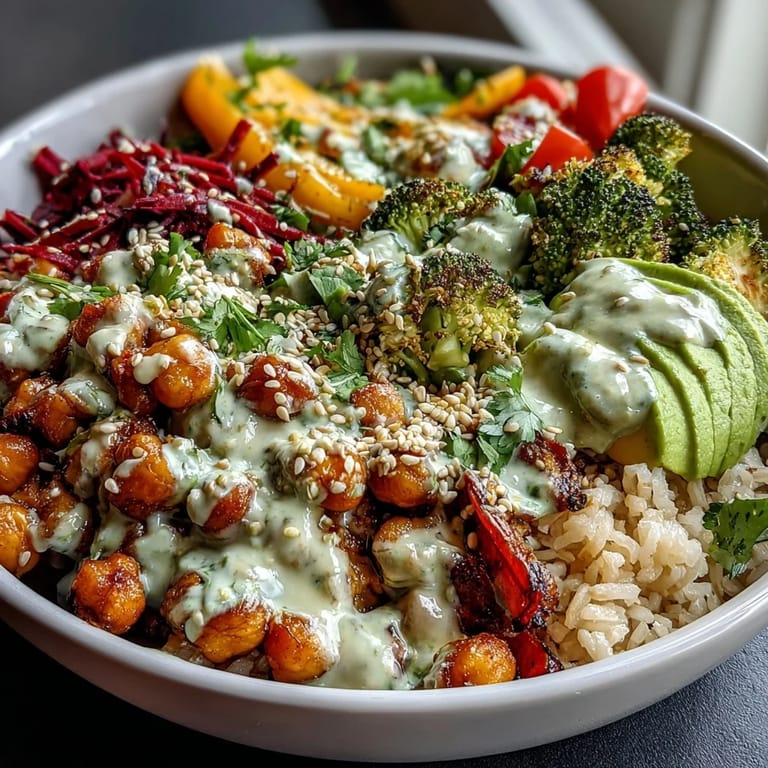
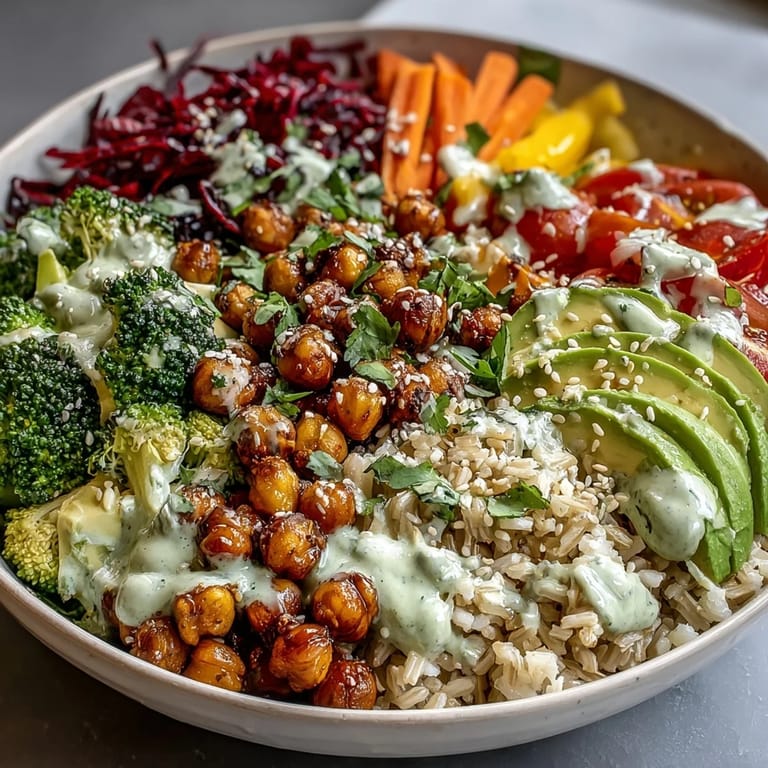
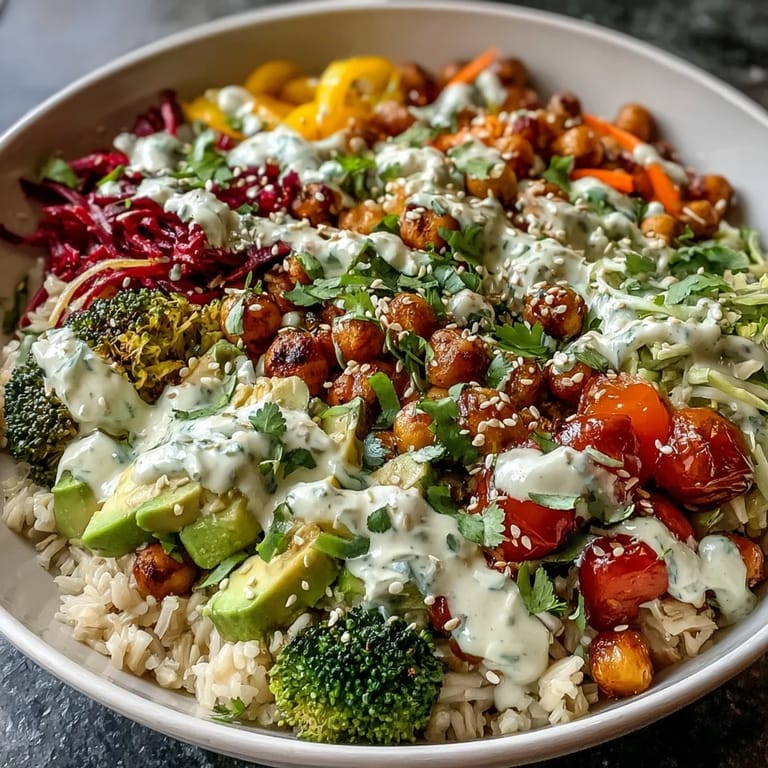
- Divide the warm grain among four bowls, then arrange each vegetable and the chickpeas in sections radiating from the center—not just for the Instagram moment, but because it helps you see what you're eating and makes everything feel like it matters. When you section vegetables this way, each spoonful contains a mix of flavors and textures instead of just one component.
- Dress generously:
- Drizzle that sesame ginger dressing across all the vegetables and grains—don't be shy, it's what brings everything together and prevents the bowl from tasting dry or boring. The dressing should shine, not hide.
- Crown with toppings:
- Scatter sesame seeds across the top, add your cilantro or parsley for brightness, and finish with sliced green onions. Serve right away so the avocado stays creamy and the broccoli hasn't started to soften.
 Pin It
 My friend Marcus came over on a rainy Sunday, and we assembled these bowls together while listening to his favorite playlist. He'd been stressed about work all week, and watching him carefully arrange the vegetables, then taste the dressing and close his eyes with that satisfied smile—I realized this bowl was doing something beyond nutrition. It was a small ritual of self-care disguised as lunch.
Building Flavor Balance
This bowl works because every element plays a role: the sweetness of carrots and tomatoes, the earthiness of grains and chickpeas, the bright pop of ginger and lime in the dressing, and the buttery richness of avocado. The sesame oil ties everything together with its nutty warmth, creating a complete experience instead of just vegetables piled on grain. Pay attention to this balance when you're adding variations—keep the ratio of warm, sweet, bright, and rich roughly equal.
Meal Prep Without Sacrifice
You can prep almost everything except the avocado and fresh herbs on a Sunday and have three ready-to-eat lunches waiting in the fridge. Keep the dressing in a separate container so it doesn't make the vegetables wilt, and assemble each bowl the morning you'll eat it. I've noticed that vegetables in a closed container with dressing start losing their texture by day three, but undressed vegetables stay crisp and pleasant for four days easily.
Variations and Substitutions
The beauty of this bowl is that it adapts to whatever's in your kitchen or on sale at the market that week. I've made it with raw cauliflower rice instead of grain on days I wanted lower carbs, swapped in grilled tempeh for extra plant protein, and used whatever fresh herbs I had—mint, basil, or parsley all work. The core magic is the sesame ginger dressing, so as long as that stays consistent, you can play with the vegetables endlessly.
- Swap any vegetables for what you have: cucumber, snap peas, shredded beets, radishes, or roasted sweet potato all fit the rainbow concept beautifully.
- Add crispy elements like toasted chickpeas, sunflower seeds, or fried shallots if you want extra texture and aren't concerned about staying vegan.
- Make the dressing in a bigger batch and keep it in the fridge for up to a week—it's also excellent on salads, grain bowls, or roasted vegetables.
 Pin It
 This bowl taught me that healthy eating doesn't have to feel like punishment—it can be colorful, exciting, and genuinely delicious. Make one today and taste the difference.
Recipe FAQs
- → What grains work best in this Buddha bowl?
Brown rice and quinoa are both excellent choices, offering a hearty base and nutty flavor that complement the fresh vegetables and dressing.
- → Can the sesame ginger dressing be stored ahead?
Yes, the dressing can be prepared in advance and kept refrigerated for up to a week, allowing flavors to meld beautifully.
- → Is it necessary to steam the broccoli?
Steaming broccoli is optional; it can be enjoyed raw for added crunch or lightly steamed for a softer texture.
- → How can I add more protein to this bowl?
Adding grilled tofu or tempeh enhances protein content while maintaining the dish’s vegan and gluten-free qualities.
- → Are there gluten-free options for this dish?
Using tamari instead of soy sauce ensures the bowl is gluten-free without compromising flavor.
- → What can I substitute for maple syrup in the dressing?
Honey is a suitable alternative if not strictly vegan, providing a similar sweetness and balance to the savory ingredients.