 Pin It
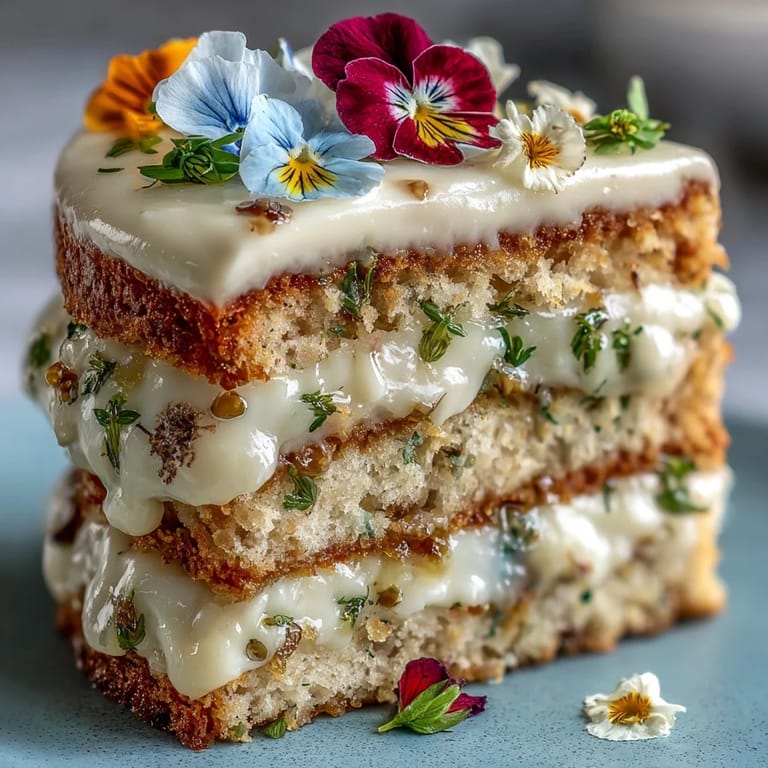
 The scent of lemon zest filled the air the first time I baked this spring cake, mingling with the sweetness of butter and sugar as the oven warmed my small kitchen. I remember my cat watching curiously as I pressed delicate flowers onto the top, unsure how they’d settle. Sometimes I find baking like this feels a little bit like painting—a quiet, creative moment where flour dust and color mingle. There’s a satisfying joy in layering tangy lemon curd between soft sponge, especially when you glimpse those blooms peeking from the fridge. It’s the sort of recipe that makes you smile before the first bite.
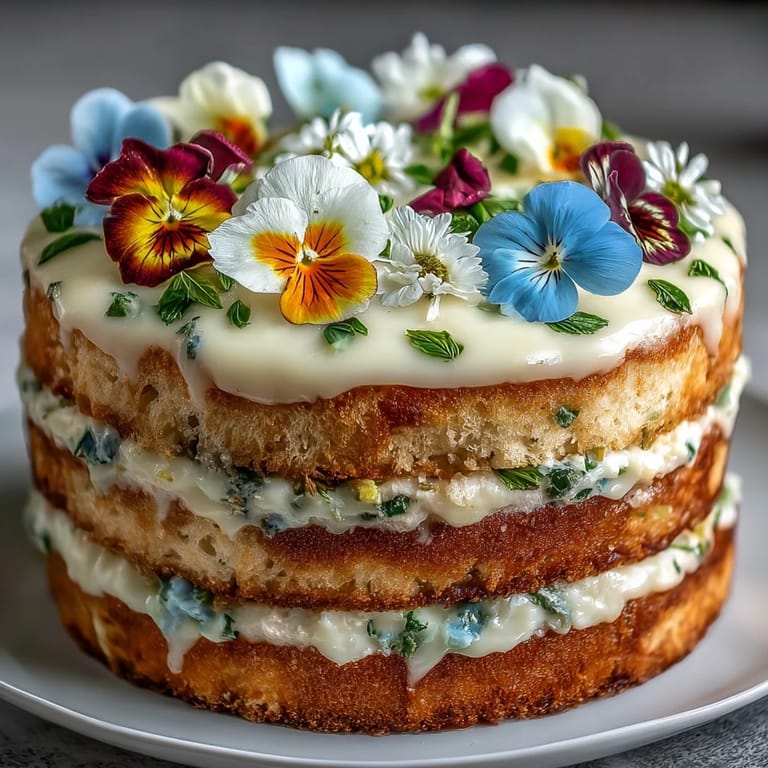
One sunny afternoon in early April, I baked this cake for a friend’s birthday picnic. We carefully transported it to the park, and watched as everyone paused mid-conversation to admire the pressed pansies and violets scattered across the icing. There was laughter each time someone picked their favorite flower. Moments like those have made this cake our springtime celebratory staple. Now, any gathering feels incomplete without its cheerful colors and hint of lemon.
Ingredients
- Unsalted butter: Cream it well for an airy sponge; letting it come to room temperature prevents lumpy batter.
- Granulated sugar: The sugar brings sweetness and helps with structure—beat until it’s pale for a delicate crumb.
- Large eggs: Room temperature eggs blend smoothly and create a light texture.
- Vanilla extract: A small splash rounds out the cake’s flavor—don’t skip, even if it seems subtle.
- All-purpose flour: Sift for fluffiness; use gentle folds to avoid tough cake.
- Baking powder: This is your leavening—measure precisely or the cake won’t rise evenly.
- Fine sea salt: Enhances the other flavors, especially the lemon.
- Whole milk: The richness helps keep the sponge moist.
- Lemon zest: Only zest the yellow part—a microplane works best and avoids bitter pith.
- Eggs (for curd): Fresh eggs make the curd bright and glossy; whisk gently to avoid bits of cooked egg.
- Granulated sugar (for curd): Essential for balancing the puckery lemon.
- Freshly squeezed lemon juice: Use real lemons—bottled juice doesn’t taste the same.
- Finely grated lemon zest (for curd): Adds fresh flavor and aroma; stir through at the end.
- Unsalted butter (for curd): Stir in cubes off heat for a silky, shiny curd.
- Heavy cream: Cold cream whips faster; keep your bowl and whisk chilled for stiff peaks.
- Powdered sugar: Adds just enough sweetness for the whipped cream; sift to avoid clumps.
- Vanilla extract (for cream): Rounds out the topping’s flavor.
- Pressed edible flowers: They must be organically grown and safe to eat; pansies and violets are easiest to press and arrange.
Tired of Takeout? 🥡
Get 10 meals you can make faster than delivery arrives. Seriously.
One email. No spam. Unsubscribe anytime.
Instructions
- Get Your Pans Ready:
- Preheat the oven to 350°F (175°C) and line two 8-inch pans with parchment, tucking it into the corners for easy release.
- Cream and Whisk:
- In a big bowl, let the butter and sugar aerate until pale and fluffy—the sound of the mixer changes when it’s ready. Add eggs one at a time, mixing well, then stir in the vanilla and lemon zest.
- Drys and Milks:
- Whisk flour, baking powder, and salt together separately. Gently fold into the wet mix, alternating with milk, so you see streaks vanish but avoid overmixing.
- Bake the Sponge:
- Divide batter between pans, smooth the tops, and bake for 25–30 minutes. Listen for a faint golden crackling, and check for a clean toothpick before cooling on a rack.
- Make Lemon Curd:
- Whisk eggs, sugar, lemon juice, and zest in a heatproof bowl. Set over simmering water and whisk until thickened—about 10 minutes—then stir in butter cubes until glossy; cool completely.
- Whip the Cream:
- In a chilled bowl, whip cream with powdered sugar and vanilla until stiff peaks form, watching for the moment the whisk leaves distinct trails.
- Assemble the Layers:
- Place one cooled cake layer on a plate, spread a generous layer of lemon curd, and top with the second cake round.
- Frost and Decorate:
- Spread whipped cream thinly across the cake’s top and sides and gently arrange pressed flowers, pressing each lightly to set.
- Set Before Serving:
- Chill the finished cake for at least 30 minutes to let the decorations hold before slicing.
 Pin It
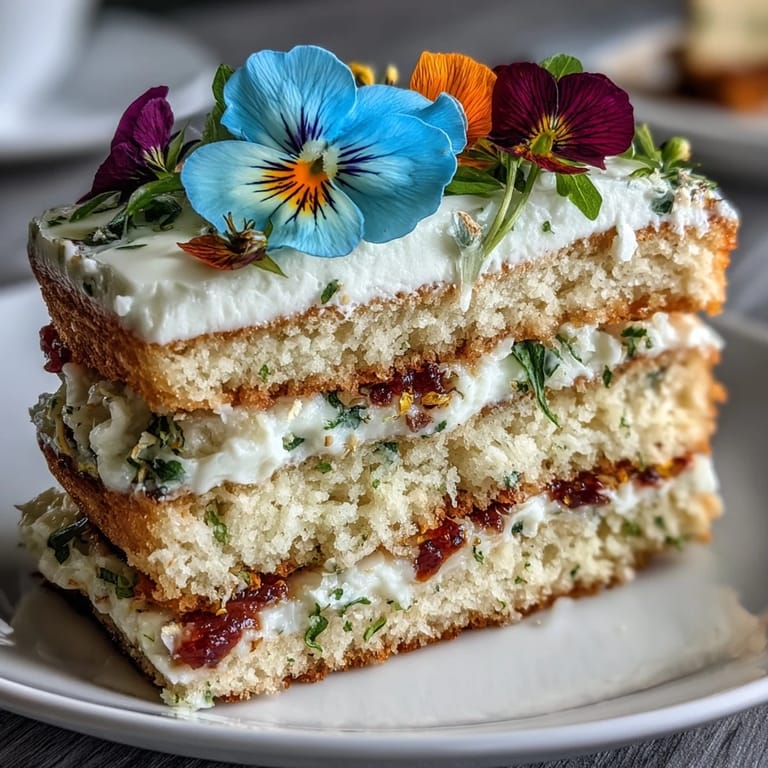
 When my niece saw the cake for her spring recital, she gasped and asked if the flowers were real. The cake became the centerpiece not just of dessert, but of her very first bouquet. Sometimes, I think food can be art in the most surprising ways—especially when little hands reach out for both a slice and a blossom. That cake cut into slices showed swirls of lemon curd and petals with every piece.
Choosing Your Flowers for Decoration
Working with edible flowers is part magic, part patience. I press them overnight between sheets of parchment and heavy books—sometimes even my old cookbooks. Organic pansies and violets hold their color well and are easiest to handle. Once pressed, I lay them on a dry kitchen towel and inspect for blemishes before decorating. Picking flowers from the garden feels like a bonus treat.
Getting the Lemon Curd Just Right
Patience and constant whisking are key when thickening curd. Steam fogs up my glasses, but I keep stirring, waiting for that transformative moment from runny to rich. Butter cubes melt in off the heat, leaving it silky. Curd can be made ahead and chilled overnight—if you sneak a spoonful, I won’t tell. That finished tang gives the cake real personality.
Assembly and Presentation—Making it Special
Assembling the cake is as fun as painting: whipped cream goes on thin, then flowers nestle softly into each section. I always chill the cake before serving, giving decorations time to settle and flavors time to mingle. If one flower moves, just gently reposition it or add another. The moment you slice, the bright layers and floral beauty impress everyone.
- If you’re nervous about decorating, try arranging the flowers on a plate first.
- Serve slices chilled for best taste and presentation.
- Always double check flower safety before using.
 Pin It
 There’s nothing like serving a cake that looks like a bouquet and tastes like sunshine. May each spring occasion be more beautiful and delicious with this recipe.
Recipe FAQs
- → How do I ensure edible flowers are safe?
Choose organically grown flowers and verify they are specifically labeled as edible. Avoid flowers sprayed with pesticides.
- → Can I bake cake layers ahead of time?
Yes, sponge layers can be baked a day in advance and wrapped at room temperature until ready to use.
- → What kind of flowers work best?
Pansies, violets, nasturtiums, and organic rose petals offer vibrant colors and delicate shapes ideal for decoration.
- → How do I get intense lemon flavor?
Brush cake layers with a bit of lemon syrup before assembling for extra citrus flavor depth.
- → What drinks pair well with this dessert?
This cake complements Earl Grey tea or a sparkling Moscato, enhancing the floral and citrus notes.
- → Can I use store-bought lemon curd?
Homemade lemon curd offers freshness, but store-bought works if short on time.