 Pin It
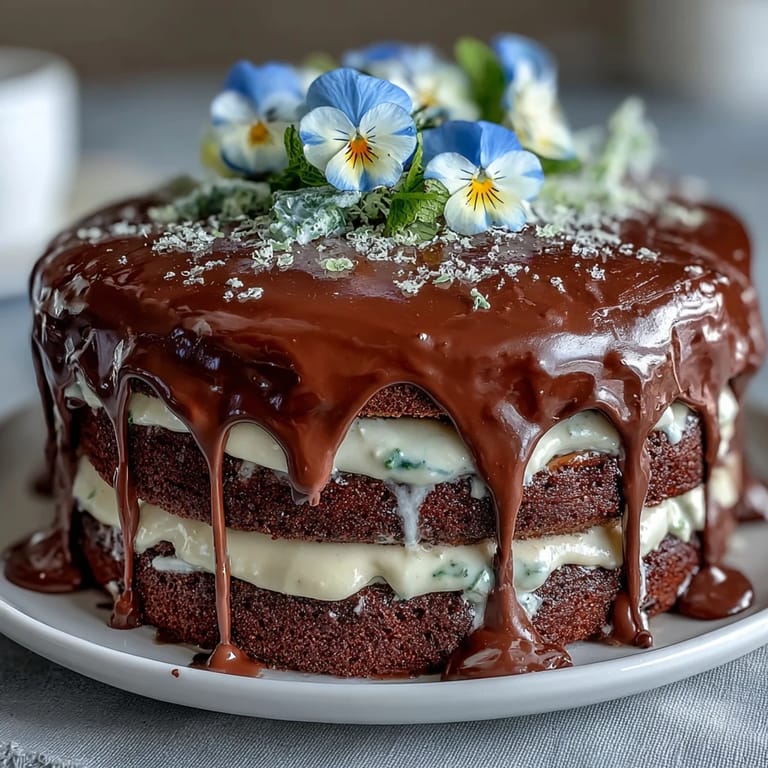
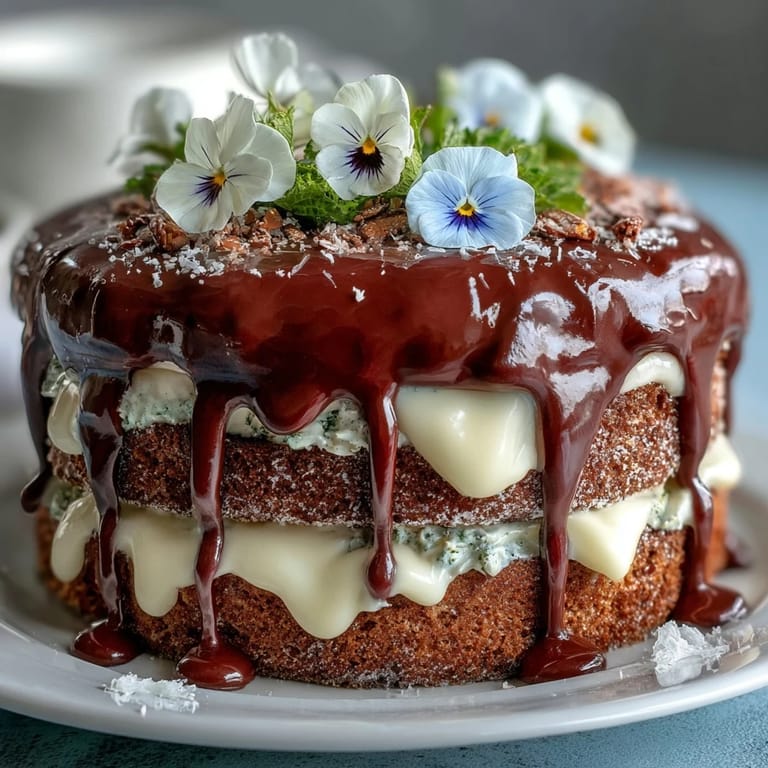
 There's something about spring that makes you want to bake something that looks as good as it tastes, and this cake arrived in my kitchen on a whim one April afternoon when I spotted edible flowers at the market and couldn't resist. The combination of bright lemon frosting against soft vanilla cake felt like capturing the season itself, and when I finally drizzled that white chocolate down the sides, I realized I'd created something that actually looked like it belonged in a fancy bakery. My kitchen smelled like butter, vanilla, and fresh citrus for hours afterward, and honestly, that's when I knew this recipe was a keeper.
I made this for my neighbor's garden party last spring, and watching people's faces light up when they saw it sitting on the dessert table was worth every minute of prep work. One guest actually gasped, and then asked if it was too pretty to eat—which is basically the highest compliment a dessert can receive. That's the magic of this cake: it tastes as spectacular as it looks.
Ingredients
- All-purpose flour (2 ½ cups): This is your structure; make sure it's fresh and not clumpy, and always fluff it in the bag before measuring.
- Baking powder (2 ½ tsp): This gives the cake its tender crumb, so don't skip it or reduce it thinking you'll make a denser cake—you'll just get a heavy one.
- Unsalted butter (1 cup plus 1 cup for frosting): Room temperature is non-negotiable here; cold butter won't cream properly and you'll end up with a grainy frosting.
- Granulated sugar (1 ¾ cups): This sweetens the cake and aerates it when beaten with butter, so that creaming step really matters.
- Eggs (4 large, room temperature): Cold eggs won't emulsify smoothly into the batter, and you'll have a tougher cake.
- Vanilla extract (1 tbsp): Use real vanilla if you can; the flavor difference is subtle but it rounds out the cake beautifully.
- Whole milk (1 cup, room temperature): This keeps the cake moist without making it dense, and the temperature helps it blend smoothly into the batter.
- Powdered sugar (4 cups, sifted): Sifting removes lumps and gives you a silky frosting every single time.
- Fresh lemon juice and zest (2 tbsp juice, 2 tsp zest): Fresh is essential here; bottled lemon juice tastes tinny and won't give you that bright, clean citrus flavor.
- White chocolate chips (1 cup): Quality matters because cheap white chocolate can taste waxy; look for real cocoa butter in the ingredients.
- Heavy cream (⅓ cup): This creates the ganache that drips so beautifully down the sides.
- Edible flowers: Ensure they're food-safe and pesticide-free; violets and pansies are sturdy choices that hold up well on a frosted cake.
Tired of Takeout? 🥡
Get 10 meals you can make faster than delivery arrives. Seriously.
One email. No spam. Unsubscribe anytime.
Instructions
- Prepare your pans and preheat:
- Set your oven to 350°F and line three 8-inch round pans with parchment paper; this prevents sticking and makes turning out the cakes so much easier. The parchment should cover the bottom and come slightly up the sides.
- Mix the dry ingredients:
- Whisk together your flour, baking powder, and salt in a medium bowl; this distributes the leavening evenly so your cake rises consistently. Set it aside and don't skip this step—it really does make a difference.
- Cream the butter and sugar:
- Beat softened butter and sugar for 3 to 4 minutes until it's pale and fluffy; you're basically creating tiny air pockets that will make your cake tender. If it looks like wet sand at first, keep going—it'll transform.
- Add the eggs carefully:
- Add each egg one at a time and beat well after each addition so they incorporate smoothly instead of curdling the mixture. This takes patience but it's worth it.
- Build the batter by alternating wet and dry:
- Start with some flour mixture, then milk, then flour again, ending with flour; this prevents the batter from breaking and keeps everything smooth. Mix until just combined—overmixing develops gluten and makes the cake tough.
- Bake the layers:
- Divide the batter evenly among your pans (a scale really helps here) and bake for 25 to 30 minutes until a toothpick comes out clean. The cakes should pull away slightly from the pan edges.
- Cool with intention:
- Let them sit in the pans for 10 minutes so they set enough to flip, then turn them out onto wire racks and cool completely; this takes about an hour but don't rush it or the frosting will melt right off.
- Make the lemon frosting:
- Beat softened butter until creamy, then gradually add your sifted powdered sugar a bit at a time, beating until light and fluffy. Add lemon juice and zest, then thin with milk until it spreads smoothly.
- Assemble the cake:
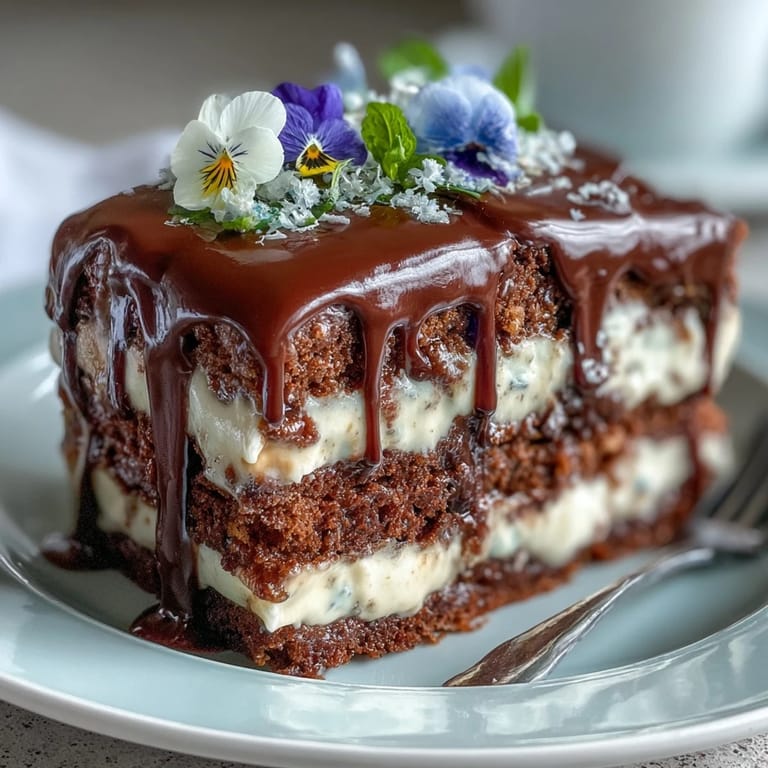
- Level your cake layers if they're domed (a serrated knife works beautifully for this), place one layer on your serving plate, and spread a generous amount of frosting on top. Stack the remaining layers, frosting between each, then cover the top and sides smoothly.
- Create the white chocolate drip:
- Heat cream until just steaming, pour it over chopped white chocolate in a bowl, wait 2 minutes, then stir until silky smooth. If you want color, add a tiny drop of gel food coloring and stir gently.
- Drip and decorate:
- Let the ganache cool until it's thick enough to hold its shape but still pourable, then spoon it around the cake's edge letting it naturally drip down the sides. Top the cake with edible flowers, sprinkles, and lemon zest for that final flourish.
 Pin It
 I'll never forget serving this cake to my mom on Mother's Day last year and watching her tear up a little bit before she even tasted it—apparently the combination of springtime elegance and homemade lemon frosting hit something nostalgic for her. That's when I understood that the beauty of this cake isn't just visual; it's the whole experience of making and sharing something that feels special.
The Lemon Frosting Secret
The brightness of this frosting comes from respecting the acid-to-sweetness balance, and I learned this the hard way by once using too much lemon juice and watching my frosting separate into grainy, broken texture. Now I add lemon juice slowly, tasting as I go, because that moment when the tartness wakes up the sweetness without overwhelming it is when you know you've nailed it. The zest is just as important as the juice—it adds this subtle floral note that makes people ask what they're tasting.
Why This Cake Works for Spring
There's something about vanilla cake with lemon frosting that just feels like spring on a plate—it's light enough to eat after a heavy winter, bright enough to match the season, and elegant enough to make any celebration feel intentional. The edible flowers aren't just decoration; they're actually a flavor element if you choose varieties with subtle floral notes, and they make every slice feel like you're eating something alive and seasonal. This cake celebrates the shift from indulgent winter baking to something fresher and more delicate.
Timing and Make-Ahead Strategy
I always bake my cake layers a full day ahead because they're actually easier to level and frost when they've been wrapped and chilled overnight—they're sturdier and less likely to crack. The frosting can be made a few hours ahead and stored at room temperature, which takes pressure off the day of serving. The white chocolate ganache should be made the day you serve the cake because it hardens as it sits, and you want that fresh, glossy appearance when you drip it.
- Bake layers up to 24 hours ahead and store them wrapped in plastic wrap at room temperature.
- Make frosting 4 to 6 hours ahead and keep it in a cool spot, beating briefly if it firms up before use.
- Assemble and decorate the cake no more than 2 hours before serving so the flowers stay fresh and vibrant.
 Pin It
 This cake has become my go-to for celebrations that need to feel special, and every time I make it, it reminds me why I fell in love with baking in the first place. When a dessert tastes as good as it looks, that's when kitchen magic happens.
Recipe FAQs
- → What type of flowers are safe for decorating the cake?
Use edible flowers like violets, pansies, or rose petals that are pesticide-free and food-safe to ensure safety and enhance aesthetics.
- → How can I achieve the perfect white chocolate drip consistency?
Heat heavy cream until just simmering, combine it with white chocolate, and stir until smooth. Cool until slightly thickened but still pourable before dripping.
- → Can this cake be made gluten-free?
Yes, substitute the all-purpose flour with an equal amount of gluten-free flour blend to accommodate gluten sensitivities.
- → How should the cake be stored after baking?
Store the cake in the refrigerator for up to 3 days and bring it to room temperature before serving for best flavor and texture.
- → What drinks pair well with this layered cake?
Pair this cake with sparkling wine or a fragrant Earl Grey tea to complement its zesty and floral notes elegantly.