 Pin It
 There's something about the smell of a ham bone simmering in broth that stops you mid-afternoon, makes you pause whatever you're doing, and decide that today is absolutely a soup day. My neighbor brought over a ham bone wrapped in foil after Easter dinner, and instead of tossing it, I found myself pulling out my soup pot before sunset. Two hours later, my kitchen smelled like a farmhouse kitchen should, and I understood why people have been making this exact soup for generations.
I made this for my brother when he was going through a rough week, and he sat at my kitchen table in silence for the first few spoonfuls—not because anything was wrong, but because he was fully present with that bowl. That's when I realized this soup does something beyond filling your stomach; it gives you permission to slow down and just be.
Ingredients
- Leftover ham bone with meat attached: This is the secret weapon that makes the entire soup worth making; it releases a depth of flavor that no amount of seasoning can replicate, so don't skip it or substitute lightly.
- Dried navy beans or great northern beans: Soak them overnight—this isn't laziness, it's the difference between tender beans and ones that taste like little rocks after two hours of cooking.
- Onion, carrots, and celery: The holy trinity of soup building; their sweetness balances the smokiness beautifully, and they soften into the broth until they're almost part of it.
- Garlic, minced fresh: Add this after the vegetables soften so it blooms in the hot oil and releases its aromatic magic without burning.
- Smoked paprika: This is the soul of the soup; it gives that campfire warmth that makes people ask what's different about your version compared to others.
- Black pepper, dried thyme, and oregano: Together they create a layered savory note that keeps evolving as the soup simmers.
- Bay leaf: Adds a subtle floral note that you don't taste directly but would absolutely miss if it were gone.
- Low-sodium broth: Use chicken or vegetable depending on what you have; the ham bone will do most of the seasoning work anyway.
- Olive oil: Just enough to get the vegetables singing without making the soup greasy.
Tired of Takeout? 🥡
Get 10 meals you can make faster than delivery arrives. Seriously.
One email. No spam. Unsubscribe anytime.
Instructions
- Prepare your beans:
- Drain and rinse the beans you soaked overnight and set them aside. If you forgot to soak them, use the quick-soak method: cover them with water, bring to a boil, turn off heat, let them sit covered for an hour, then drain and proceed.
- Start the aromatics:
- Heat olive oil in your largest soup pot over medium heat, then add the chopped onion, carrots, and celery. You'll hear them sizzle gently and within a few minutes they'll soften and turn translucent—that's your signal they're ready for the next layer.
- Build the flavor base:
- Once the vegetables have softened, stir in the minced garlic, smoked paprika, thyme, oregano, and black pepper. Keep stirring for about one minute until the spices release their fragrance—your kitchen will smell like you're cooking something important, because you are.
- Combine everything:
- Add the ham bone, drained beans, bay leaf, and broth to the pot. Bring everything to a boil, then reduce the heat and let it simmer uncovered for one and a half to two hours, stirring occasionally so nothing sticks to the bottom.
- Rescue the ham meat:
- When the beans are completely tender (they should break easily between your fingers), remove the ham bone and let it cool just enough to handle. Pick off any meat clinging to it and return that meat to the soup, then discard the bone and bay leaf.
- Final adjustments:
- Taste the soup and add salt as needed—the broth was low-sodium so you'll likely need more than you'd expect. If you want extra meatiness, this is where you'd stir in the diced cooked ham.
- Serve with intention:
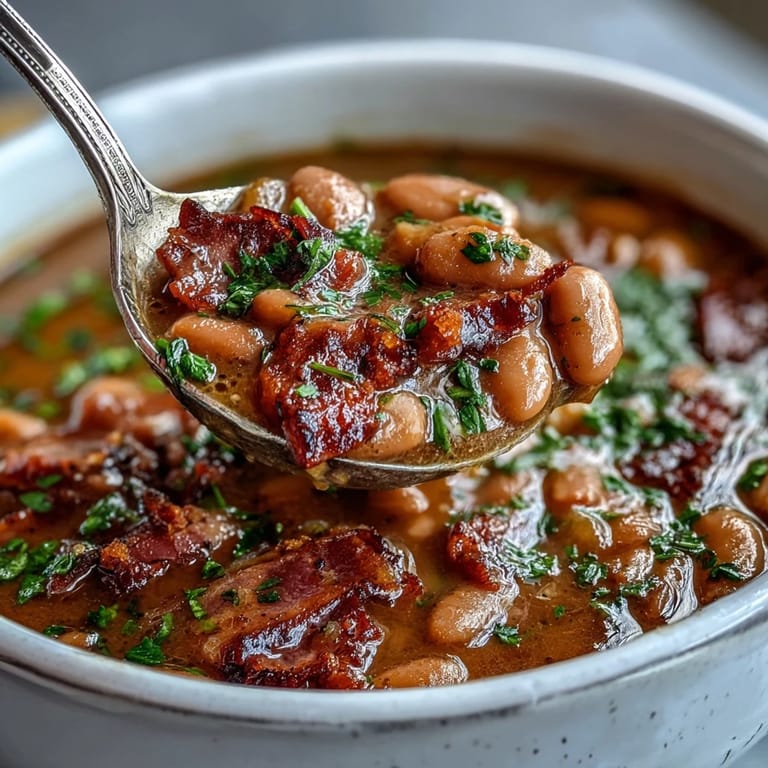
- Ladle into bowls and serve hot, perhaps with a sprinkle of fresh parsley or a small drizzle of olive oil if you're feeling fancy.
 Pin It
 My daughter asked for seconds of this soup before asking for dessert, which in her world is basically a declaration of love. That's when I knew this wasn't just efficient cooking—it was the kind of meal that makes people feel taken care of.
The Texture Question
Some people love their beans whole and distinct, others prefer a creamier soup where the beans have started to break down into the broth. If you're in the creamy camp, take a wooden spoon about twenty minutes before the soup is finished cooking and gently mash some of the beans against the side of the pot—they'll soften and thicken the broth without disappearing entirely, giving you the best of both worlds.
What to Serve Alongside
This soup is complete on its own but becomes something special when paired with crusty bread for dipping or cornbread for soaking up the last spoonfuls. A light red wine like Pinot Noir sits quietly beside the soup without competing, letting both shine in their own way.
Stretching One Batch Into Two Meals
Make extra on purpose—this soup actually tastes better the next day when the flavors have had time to marry and deepen. You can also freeze it in portions and pull it out on nights when you need comfort but not effort, knowing it will taste nearly as good as the day you made it.
- Store leftovers in airtight containers in the refrigerator for up to four days, or freeze for up to three months.
- If you freeze it, leave an inch of headspace because the liquid expands, and thaw it overnight in the refrigerator before reheating.
- Reheat gently on the stovetop over medium heat rather than blasting it in the microwave, which can make the beans mushy and uneven.
 Pin It
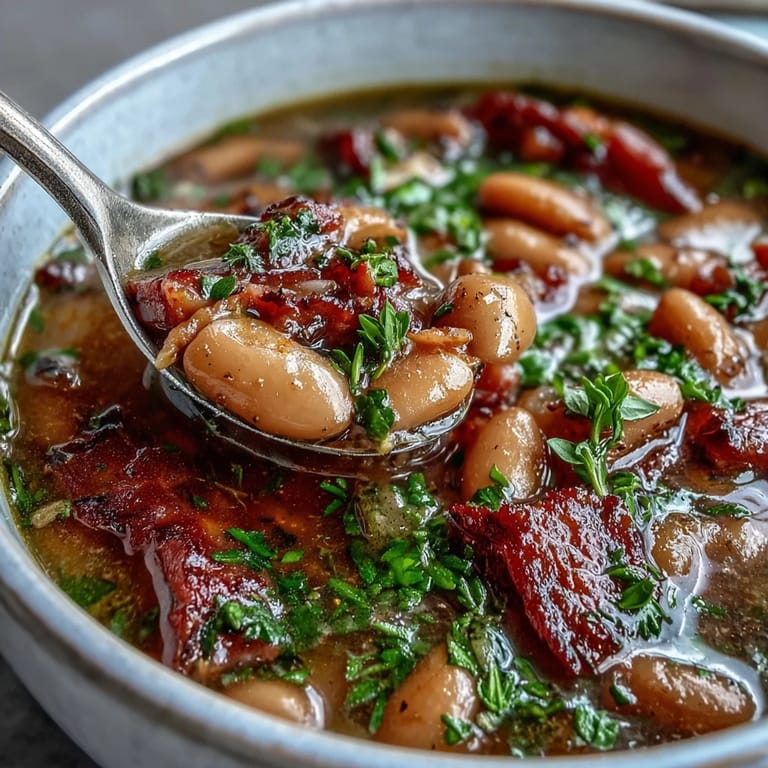
 This soup is proof that the best meals often start with the intention to waste nothing and end up becoming the thing people actually ask you to make. Make it once and it'll become your go-to, the soup you make when you want to feel capable and generous.
Recipe FAQs
- → Can I substitute the ham bone with other meats?
Yes, smoked turkey leg works well for a smoky, pork-free alternative that still imparts rich flavor.
- → Do I need to soak the beans overnight?
Soaking helps soften the beans for even cooking and reduces overall simmer time, but an unsoaked bean may require longer cooking.
- → How can I make the soup creamier?
Mash some of the cooked beans in the pot before serving to add body and a creamier texture.
- → What herbs complement the smoky paprika in this soup?
Dried thyme and oregano blend well with smoky paprika, enhancing the savory depth without overpowering it.
- → What dishes pair well with this soup?
Crusty bread or cornbread are classic companions, and a light red wine like Pinot Noir complements the smoky, savory flavors.