 Pin It
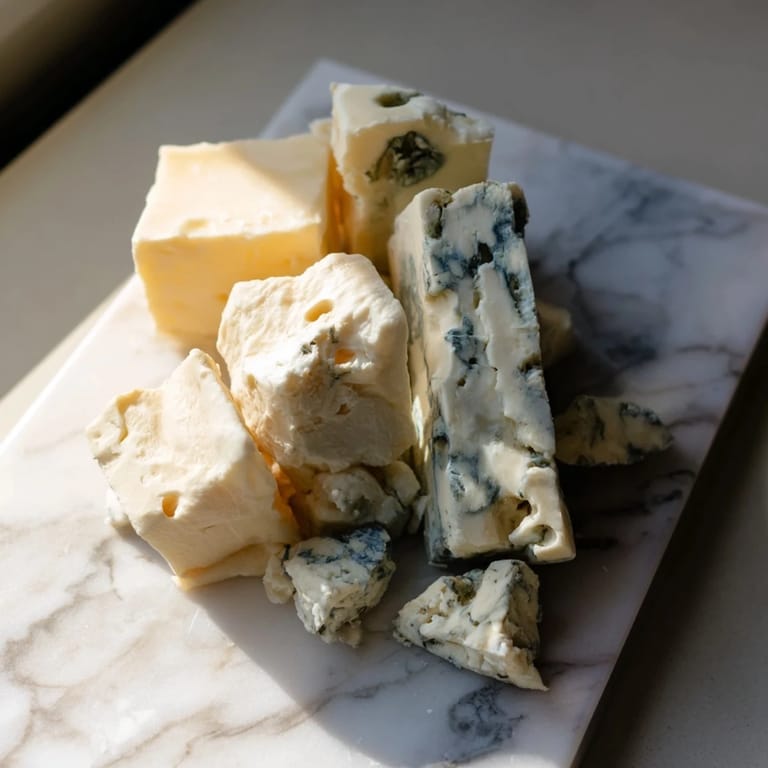
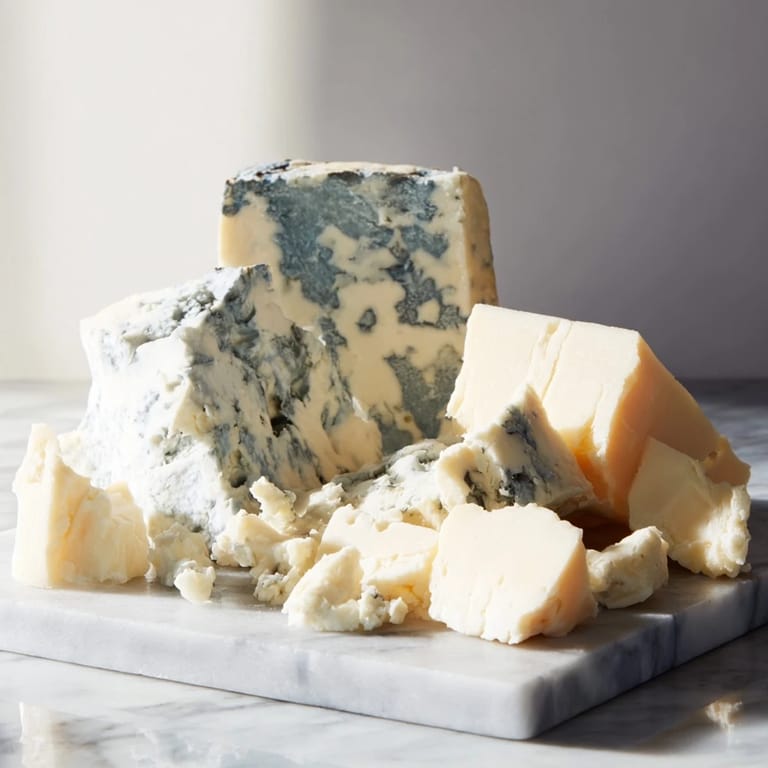
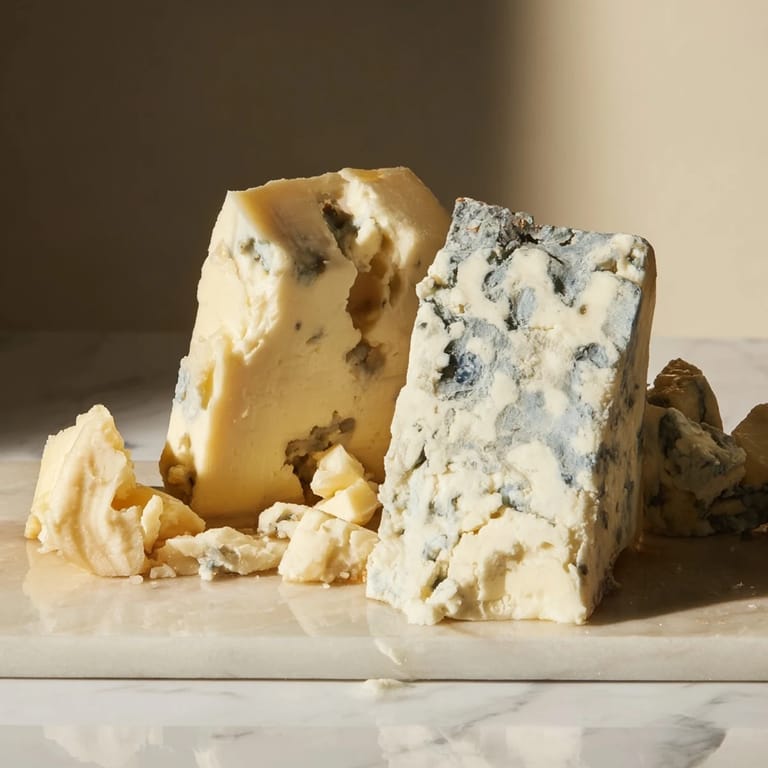
 There's something about the way blue cheese crumbles on your tongue that instantly takes you back to a small bistro somewhere in Europe. I discovered this arrangement completely by accident—I'd been tasked with creating a cheese board for a dinner party and had way too much of two very bold cheeses on my hands. Instead of apologizing for the excess, I grabbed a slab of marble from my kitchen counter and started playing with placement, letting the irregular chunks create shadows and depth. What started as nervous improvisation became the dish everyone talked about long after dessert.
I'll never forget the quiet moment when my friend Maria walked into the dining room and actually stopped talking mid-sentence. The marble slab caught the light in this unexpected way, and for just a second, she thought it was some kind of installation art before realizing she could eat it. That's when I knew this presentation had something special—it surprises people, makes them pause, and somehow makes the cheese taste better just because they're excited to try it.
Ingredients
- Blue cheese (200 g): Choose Roquefort for elegance, Gorgonzola for richness, or Stilton for earthiness—whatever speaks to you, but make sure it's pungent and crumbly enough to break into honest, irregular chunks that catch the eye.
- Aged white cheddar (200 g): The aged version has crystalline crunch and depth that mild cheddar simply can't deliver; it's what makes this board feel sophisticated rather than ordinary.
- Fresh grapes or sliced pears: These bridge the gap between the cheeses' intensity and provide refreshing sweetness that clears the palate for the next bite.
- Crackers or crusty bread: Choose what you love—there's no wrong answer here, but thicker, less refined crackers hold up better under generous cheese portions.
- Honey or fig jam: A small drizzle transforms blue cheese from bold to transcendent; keep it nearby for those moments when you want to push the flavor even further.
Tired of Takeout? 🥡
Get 10 meals you can make faster than delivery arrives. Seriously.
One email. No spam. Unsubscribe anytime.
Instructions
- Start with a cold canvas:
- If you have time, chill your marble slab in the refrigerator for 20 minutes or even the freezer for 10. This keeps the cheeses firm and prevents them from sweating, which means they'll hold their shape and texture throughout the meal.
- Cut with intention:
- Use a sharp, clean cheese knife—warm it under hot water and dry it between cuts if the blue cheese sticks. The irregularity matters; aim for chunks that feel almost chaotic, like a quarry where stone has broken naturally.
- Arrange like you're playing with light and shadow:
- Place blue cheese pieces first, then tuck white cheddar among them, leaving actual breathing room between each chunk. This isn't about covering every inch; it's about negative space creating drama.
- Scatter the sweet and fresh:
- Tuck grapes or pear slices into the gaps you've created, and place small bowls of honey or jam so they're easy to reach but don't overwhelm the cheese arrangement.
- Serve with the sides nearby:
- Keep crackers and bread on a separate surface or in small baskets nearby—let people build their own bites rather than pre-assembling everything.
 Pin It
 There was a moment during that first dinner party when I watched three people reach for the cheese at the same time, each one choosing a different combination, each one looking genuinely delighted. That's when I realized this wasn't just a cheese board—it was permission to play, to mix and match, to create your own perfect bite. That freedom, that sense of discovery, is what makes this dish memorable.
Choosing Your Cheeses Wisely
The magic of this board lives in contrast. Blue cheese brings funk, saltiness, and intensity—it's the conversation starter. White cheddar brings smoothness, crystalline crunch, and approachability—it's the closer that makes people want another bite. If you're feeling adventurous, add a third cheese with completely different texture or color: a washed-rind with a golden exterior, a creamy goat cheese, or even a crumbly aged Gruyère. But resist the urge to overcomplicate—two cheeses in bold contrast are more powerful than five competing for attention.
The Marble Slab Matters
I tested this with a regular ceramic platter once out of necessity, and while it worked, it felt flat. The marble does something architectural—it grounds the presentation, absorbs and reflects light in unexpected ways, and somehow makes even simple cheese feel intentional. If you don't have marble, a slate board or even a large, neutral ceramic platter will work, but marble elevates this from appetizer to moment. Hunt for a slab at kitchen stores, home goods shops, or even secondhand markets; it's an investment that pays back every time you entertain.
Building the Perfect Bite
The joy of this board is that there's no right answer. Some people will want equal parts of both cheeses with a drizzle of honey. Others will stack blue cheese on a cracker with a pear slice. Still others will treat it like a tasting, going back and forth between the two cheeses to understand their differences. I learned early on to let people explore without direction—just make sure the crackers are good quality, the honey is within reach, and the experience of choosing feels luxurious.
- Pair with a crisp white wine like Sauvignon Blanc or a light-bodied red like Pinot Noir to balance the richness of the cheeses.
- If you're serving this as a starter before a heavier meal, smaller portions of each cheese prevent palate fatigue.
- Assemble this no more than 30 minutes before serving—the longer it sits, the more the cheeses soften and flavors blur together.
 Pin It
 This dish taught me that presentation isn't about pretension—it's about respecting your ingredients and giving them space to shine. The marble quarry works because it honors the cheeses as individuals while celebrating them together.
Recipe FAQs
- → What cheeses are ideal for this presentation?
Large chunks of blue cheese like Roquefort or Stilton paired with aged white cheddar create a flavorful contrast and visual appeal.
- → Why use a marble slab for serving?
Marble keeps cheeses cool longer, helping maintain texture and freshness while offering a clean, elegant surface.
- → Can I add accompaniments?
Fresh grapes, pear slices, crackers, and honey or fig jam complement the cheeses, adding sweetness and crunch.
- → How to create a quarry effect with the cheeses?
Arrange large, irregular cheese chunks spaced across the marble slab to mimic the rocky textures of a quarry.
- → What pairings work well with this setup?
Light-bodied reds or crisp white wines balance the rich flavors and textures of the cheeses and accompaniments.